
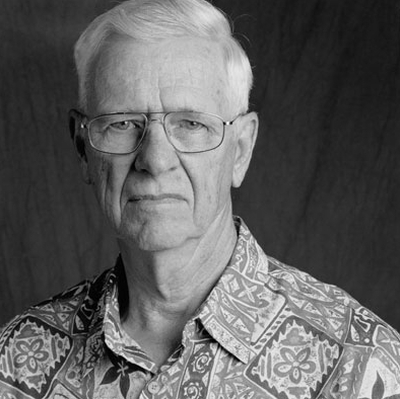
James Dorris was just 18 years old when he was drafted from his hometown of Chattanooga, Tennessee, into the U.S. Army during World War II. After training as part of the Army Specialized Training Program, he was sent to Europe in late 1944, arriving in France just as the Battle of the Bulge began. Thrown into fierce fighting, he saw heavy casualties before his unit pushed deeper into Germany, battling through devastated cities like Würzburg and Nuremberg.
In April 1945, Dorris’s unit was redirected to liberate the Dachau concentration camp. Even before reaching it, the soldiers could smell the crematory’s stench. What they found was unimaginable — forty boxcars filled with bodies, starving prisoners, and scenes of horror beyond comprehension. As Dorris stood guard, one emaciated inmate approached him, offering a tiny rusted can with a cigarette butt inside — a token of gratitude for liberation. The simple act transformed Dorris’s despair into a sense of purpose and faith. “That was God’s answer to my prayer,” he later said.
Dorris continued on to Munich, where the war soon ended. He later served in Austria, overseeing German prisoners of war, and returned home in 1946. For years, he spoke little about what he had seen. Eventually, he began sharing his memories to ensure the world would not forget the atrocities of the Holocaust. In the 1990s, he returned to Dachau for the 50th anniversary of its liberation, speaking to students about the dangers of denial and the importance of remembrance.
Interviewer: First of all, why don’t you just tell me a little bit about, how old you were, where you were stationed and you were drafted is that correct?
James Dorris: Right.
Interviewer: OK, you were how old?
James Dorris: 18.
Interviewer: 18, you’re from where?
James Dorris: Here in Chattanooga.
Interviewer: Oh you’re from Chattanooga.
James Dorris: Right.
Interviewer: OK and so you were drafted into the army.
James Dorris: Yes.
Interviewer: How soon after basic training or after you’ve been in the service were you sent overseas?
James Dorris: Well I went to training in Fargo, North Dakota, the special training ASTP, Army Specialized Training as an engineer that was a program that they had setup and I went to for about six months and then they cancelled it when they had the invasion and they were beginning to need infantry troops and from there I went to Camp Gruber Oklahoma for more army training and was there for about six months so I went overseas end of the 1944 and we went into Marseille, France and we were moving up towards the front when the battle of Bulge started so we didn’t know what it was. All of a sudden we were in middle of the attack that the Germans during the battle of Bulge and that was in December of ’44 and we fought in that and we began to have quite a few casualties and eventually we were pulled back for replacements for about a week and they sent in replacements and then we moved back to the front and…
Interviewer: At this time what did you know was going on with the holocaust in—in…?
James Dorris: I didn’t know anything about it. I knew that…
Interviewer: Have you heard anything about Jews and slave labor camps?
James Dorris: No.
Interviewer: Nothing? You knew nothing about the torture that…
James Dorris: I knew that there were concentration camps, I’d heard a little bit about that but I didn’t know what they were or how many or anything like that.
Interviewer: Did you even know what that term meant? Concentration camp.
James Dorris: Not really. I thought it was just a big prison and anyone that resisted Hitler was put in this but as far as the Jews or anything like that I had no idea what was going on.
Interviewer: So following the battle of the Bulge, were you aware by this time that the third Reich was completely crumbling?
James Dorris: I thought they must be, we of course had a lot of fighting during the Bulge but then we began moving, one of the first cities I remember fighting in was Würzburg and we attacked and went all the way through Würzburg and I found out later some of the people that I ran into that came after us they said, “I thought you took Würzburg? And we had fought our way through and as we were overcoming the Nazis, they would just go down – the place was completely bombed and nine days before we got there they were bombing. So there were all these walls of buildings standing and Germans when we were overcoming them would just go down into the basements and part of the abandoned buildings and let us go through and then the next Americans that came along they’d fight again so it was hard to really -- we thought we had taken the city but when we overcame the main forces, why, the ones that were left would just go down and wait and fight again. Then we went to some of the other cities. I’m trying to think, well, first was the airport outside of a big city, Nuremberg, and we fought in the edge of that but I’d been wounded by that time and went to the hospital for a few days and then came back and they’d gone past Nuremberg and they were regrouping to attack again and we would have fights for a lot of the small towns which didn’t last long, we’d overcome them or capture them or whatever and get together and move on to the next. We were headed towards Munich -- that was a big city that we were supposed to be going to take over and on the way maybe the day before, I guess the day that we went to Dachau they said we were being sidetracked to take on the concentration camps, Dachau, and we didn’t really know until we got there, what that was.
Interviewer: Tell me a little bit about that day, when was that?
James Dorris: That April the 29th of 1945 and…
Interviewer: What was the first thing that you saw?
James Dorris: Well the first thing I knew about the camp was quite a distance before we got there, you can smell the odor from the crematory and that was a horrible thing, almost felt like you couldn’t breathe.
Interviewer: What did you know it to be?
James Dorris: Well we figured out that it was burned bodies. I mean it was obviously a crematory and that made us even more worried about what we’re going to see ahead of us and when we finally could see the camp just outside the camp were forty box cars of bodies that these were people that have been on these box cars for maybe 10 days as the Americans were advancing the Germans were trying to move the prisoners and they had this train of 40 cars loaded with prisoners and they were on there so long about 10 days without food or water and the ones that were weaker died along the way and when they got to the camp the German guards threw open the doors and machine gunned anyone who was still alive and so when we got there the doors had been open of course and the bodies spilled out on the pavement and of course that ones that had died were still in the cars and we had to walk past all of that and we could really realize what we were getting into. When we got to the main gate the guards had fled and gone inside or wherever but there was still these huge German shepherd dogs chained on each side of the gate just going crazy trying to get at us. So we shot them and went in the camp and as we got inside, my lieutenant told me there was a, down to the right was an opening, well there was the outside concrete wall around the camp, maybe 12 feet high, and then 15 or 20 feet inside that was a wire fence that had been electrically charged and there was a dry moat inside that so anyone trying to escape wioukd have to go down in that moat and then they’d hit this electrically charged fence which of course would kill them and then there were towers every so often all the way around them with guards with machine guns looking down on the camp at all times. So the lieutenant told me to go down between this two, the wire fence and the high wall and said, don’t let anyone out because they got to be examined by the doctors and they’re in terrible condition and he took the rest of the men and went inside looking for any of the guards that would escaped into the camp.
Interviewer: What were you thinking by this point? You were obviously seeing that these were not…
James Dorris: Well as I got inside between these two -- between the wire fence and the wall lined up maybe 50-75 feet inside there was a long row of naked corpses they were waiting to be sent to the crematory and alongside them were all these prisoners just standing there with, well, amazement on their face, shock, they didn’t know really what was going on, I guess, and they were just maybe a couple of hundred of them were I was stand there looking at me and as I walked in, first I had to walk around the body of a, I don’t whether he have been a prisoner or a guard but the man had been beaten to death and very bloody and his eye was laying out on his cheek and I walk past him and then looking at all these poor prisoners most of them looked like they were almost starved to death and just had a terrible look on their faces of what’s going on, what’s going to happen next? And they -- I they realized that we were Americans and we were liberating them but as I walked along looking at them, one man left and ran over and grabbed something above off of the ground and started running with it. Well, three more started chasing him and they knocked him down and we’re trying to see what he had in his hands, kicking him and hitting him…
Interviewer: These are inmates?
James Dorris: Pardon.
Interviewer: These were inmates?
James Dorris: Yeah and I felt well these poor people have been driven insane and I thought they were going to kill this man and I started to fire over their heads but there were barracks all behind them and I knew if I fired again I might hit somebody in the barracks. So I was just, I didn’t know what to do and I thought, “This is what Hell is like,” with all the way these people look, these dead bodies, they’ve beaten this poor man to death and I was just overcome with everything and looked up in the sky and said, “God, get me out of this place.” And when I looked back down there’s a man coming from this group over to the fence where I was and he said in German, “Do you have a cigarette?” Well I had about three packs but I had seen them fighting over nothing and I thought if I bring out the cigarettes and all these people standing there I don’t have enough to give them and I’ll have a riot on my hands. So I said, “No, I don’t have any.” And he said, “Eine momento,” one minute, and he ran off behind the barracks and I didn’t know what was going to happen, but shortly he came back and he put his hand through, there was openings in the wire, and handed me this little rusty can and inside was a cigarette butt about an inch long, water stained and looked like he dug it up out of the ground, and I felt this was the biggest treasure this poor man has and he said, “This is in thanks for liberating us.” Well, tears came to my eyes and I couldn’t thank him enough and I made a big show of putting it in my pocket to save and he turned around went back to the fence, I mean, where the other men were and I started patrolling back and forth but at that moment everything completely changed from horror to making me feel like you know I’m really doing something good being part of the liberation of these people and I completely had a different attitude about everything and after thinking about this which I have for ever since, 50 some years I’ve come to realize that, that was God’s answer to my prayer. He had that man give me that and it just totally changed my feeling of despair after seeing all this to the feeling of joy that I was really doing something to help these people and then later on I was relieved, someone else took up the post and we went inside, I went into the camp and we had food brought in for us and for the people that were capable, I know I heard about some of them that were given food, that they were so starved that they ate too much and died from it, and but that night I slept in the barracks where the guards had been and I laid in the bunk, blanket had been pulled back and the pillow was still wrinkled and everything from the guard that had slept there the night before. I laid there in that bunk thinking, “What kind of a man was it that slept here last night?” And that’s what I went to sleep thinking about. What this man must have been that was part of treating these people like that. Well then the next day we got up and loaded up to go towards Munich to take the city of Munich. Someone else had moved in to take over the camp but the -- we rode tanks into Munich and didn’t get into the fierce fighting that I anticipated. The people were just overjoyed really to see us come and know that Hitler was finished and I heard later that that was, the 30th was the day Hitler committed suicide but the people in Munich, there was a little fighting and you could hear gunfire going on around, but most of the people were in the city, on the streets handing us bottles of wine and champagne and throwing flowers on us and they were totally overjoyed to have the end of the Nazi rule.
Interviewer: How are you feeling about this time?
James Dorris: Well, I was very happy too that it seemed like the fighting was just about to cease. We did go on a little bit further, well the war hadn’t completely ended, so we took a few more little towns and we were on the border of the Brenner Pass, close to Brenner Pass, about 30 miles, and I was accidentally shot and when I stayed in the hospital and was operated on, the next day when I was coming out of operation, the man in the bed next to me said the war is over. So that was a big relief.
Interviewer: How about coming home?
James Dorris: Well I stayed in Europe until, this was May I think. So I didn’t get send home until, well, I was release from the army in March. We took out -- the one thing I did was we went to a camp, a prison camp well of course like I said I was in the hospital for 60 days being recovered from the gunshot wound and then I went to Linz, Austria and about six of us lived in the camp with the German prisoners and the rest guarded the camp and my job was to -- when we needed supplies for the prisoners or needed any -- taken to the hospital or things like that I would go with my gun, a rifle and go with the truck to pick up supplies and things like that but while I was in the camp we would, they had a barber shop and I remember going into the barber shop with German prisoners running it and I was lying there in the chair getting a shave and it hit me all of sudden, this guy had a stray razor, three months ago was probably shooting at this guy and here I am letting him shave me with a razor, he could cut my throat if he wanted to but we had no problem at all with the prisoners, I think they were happy to get the war over too.
Interviewer: Have you thought about that day since then. Have you had – have you suffered from anger…
James Dorris: You mean the concentration camp?
Interviewer: The day you went in there, how do you cope with that today?
James Dorris: Well, for years I wouldn’t think about it, didn’t talk about it, I don’t think I even told my parents what I had seen and then found out begun thinking – it’d always come back to me but I just try to put it out of my mind and I have talked about it and my wife has I think gotten sick of hearing about it. I told her so many times and my children but this was all years later. It’ll never leave me and I just try not to think about it too much. It was a horror that you never can completely put out of your mind. So I’ve tried to tell people about it for the reason that, to try to avoid anything like that ever happening again.
Interviewer: What do you say to holocaust deniers?
James Dorris: Well, it’s -- on the 50th anniversary about 75 of us from the Rainbow Division went back to Munich and to Dachau, and I’ve got in there some of the experiences, but we went in groups of four or five, there were about to maybe three or four of us groups like that that went to high schools and a group of people that were getting ready to go university and talk to them about this and one fellow got up and said, “Would you believe that my grandmother lived in Dachau and she said this didn’t happen?” Well, we of course were amazed at anything like that and this German boy said, “I’ve tried to convince her but said she just won’t accept it.” And he said there are people here in the Germany that still say that, and I cannot possibly believe that anybody that’s at all sensible with all that the army after the war they had camps like this, Auschwitz and Dachau all of them opened up that the people could go through and see themselves what happened and the pictures and everything that it’s impossible for me to believe anyone could think that. I don’t know how in the world with all the publicity and everything that went on, how they could deny it.
Interviewer: What would say now to someone willing to understand what happened? What would you say? How do you explain the inhumanity and the evil?
James Dorris: I don’t know how to explain it. I don’t know how people could do that. We ran into SS troops that I know they were part, well, they were guarding this camps and a lot of times when we were fighting, we would find out that there would be a few SS that were making the ordinary German soldier-- I mean, it was beginning to be apparent that the war was over and I know that a lot of these people, these soldiers didn’t want to fight and these SS men were behind them with machine guns making them fight and that’s what prolonged the war because some of these fanatical guys that were doing the horrible things that were done. I guess part of it was they didn’t want the war to stop because they were afraid of what would happen to them when it stopped and I guess that’s why they were -- of course they were involved in so much of it themselves that they -- I don’t think they felt that there was anything wrong with it. That’s the only way I could explain it but how anyone could treat another human being the way they treated them is just beyond reason.
Interviewer: How were you treated when you came back to Tennessee? I know you said you didn’t talk about it. You didn’t talk about it with your parents.
James Dorris: Well, it was so good to have it all over with and everybody was happy to have, have us return and they greeted us with open arms and I’m sure some of them must have seen some of these on TV but I guess no one really wanted to talk about it much. Figured it was over and “Let’s move on.”
Interviewer: Mr. Dorris, thank you very much. I know this was difficult.
James Dorris: Well it’s – it's heartrending to bring up some of this, I mean it’s still, my wife says sometimes quit talking about it, it upsetting you too much and I know that something that came up that I was asked to write it all over again and I got these books, I read a lot of it again which brought it all back and it took a day or two to get over it and she’s told me just quit talking about it which I know is probably right.
Interviewer: Well, I’m glad you did.
James Dorris: Sure.
Interviewer: It’s been a pleasure. I’m going to direct you over to Bob. He’s going to take your picture.
James Dorris: Sure.
Interviewer: I’m going to de-mic you. Hold on one second.