-
Title
-
Nylon
-
Description
-
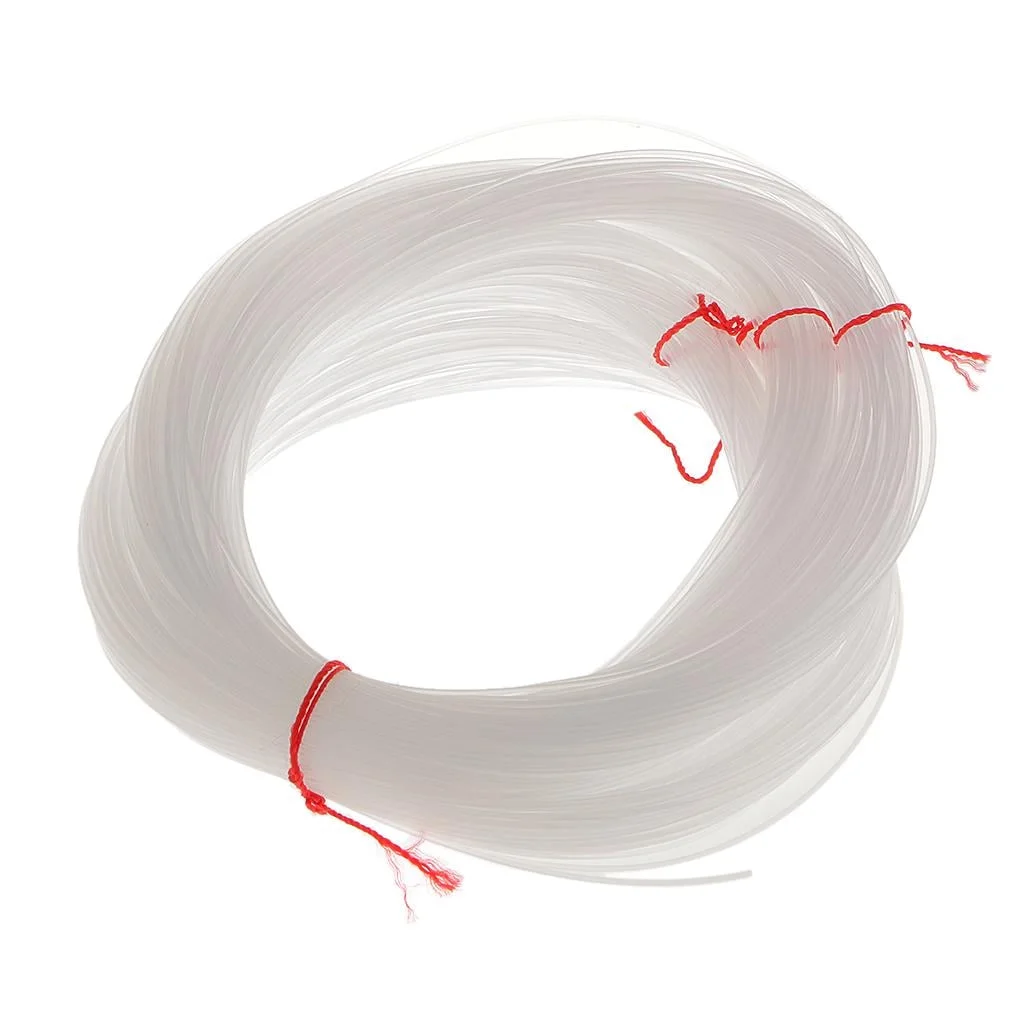
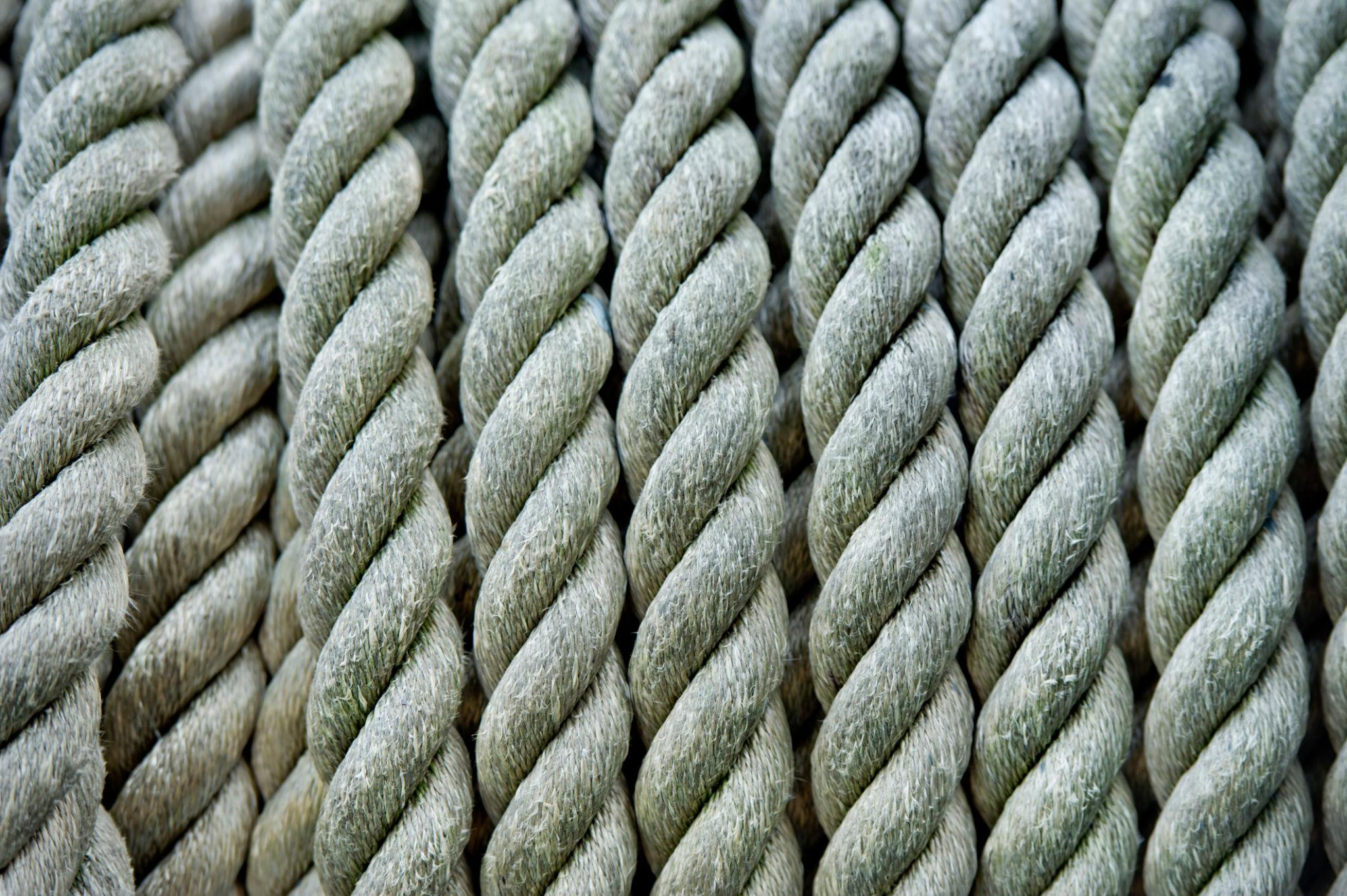
Nylon is a synthetic polyamide fiber first developed in the 1930s. It is produced by polymerizing monomers such as hexamethylenediamine and adipic acid, which are then melted and spun into fibers through a process called melt spinning. Nylon was the first commercially successful synthetic fiber and was originally used as a replacement for silk in products such as stockings and parachutes. The fiber is valued for its strength, elasticity, abrasion resistance, and lightweight properties. Nylon is widely used in clothing, carpets, ropes, and industrial textiles. Because nylon is petroleum-based and not biodegradable, environmental concerns include long-term persistence and microplastic pollution.
-
Alternative Title
-
Polyamide fiber; Nylon 6; Nylon 66
-
Bibliographic Citation
-
Tortora, Phyllis G., and Sara B. Marcketti. Survey of Textiles.
Image: https://forensic-analysis.com/services/specialized-testing-support-services/
-
Creator
-
Wallace Hume Carothers; DuPont
-
Date
-
1935
-
Source
-
Smithsonian Institution Textile History
-
Spatial Coverage
-
United States
-
Subject
-
nylon;
polyamide fiber;
synthetic fibers;
textile innovation;
polymer chemistry
-
Type
-
Synthetic fiber