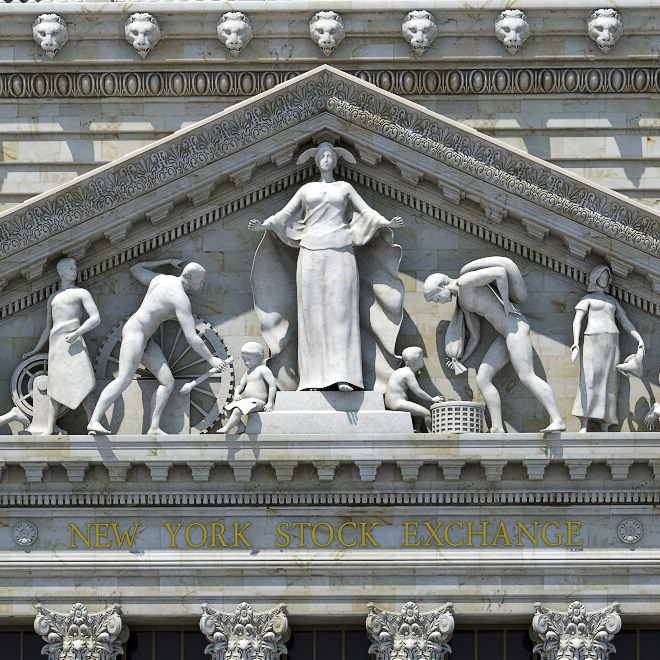
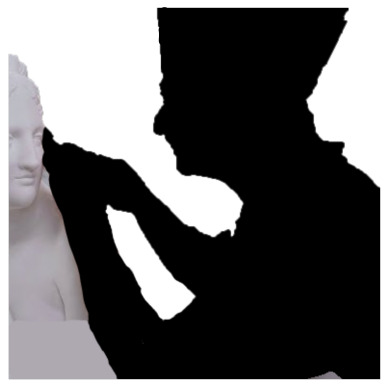
The Georgian marble pediment at the entrance of the New York Stock Exchange is also known as "Integrity Protecting the Works of Man" and features eleven figures. The central figure is a robed woman representing Integrity, wearing a winged cap and extending both arms outward. At her feet sit two nude children. To her right is a nude man holding gears symbolizing mechanical production, alongside another man with his hand on a ship's wheel, signifying international trade. Adjacent to these men are two individuals studying charts, symbolizing the realization of intelligence and scientific advancement. On the left side of Integrity is another nude male carrying a heavy bag, and next to him is a dressed female holding a distaff; these figures represent agriculture. Further to the left are the figures associated with mining: two nude males examining a rock. The eleven figures are flanked by waves. The pediment was replaced in 1936 with a replica composed of lighter copper and lead, owing to weather-related deterioration.
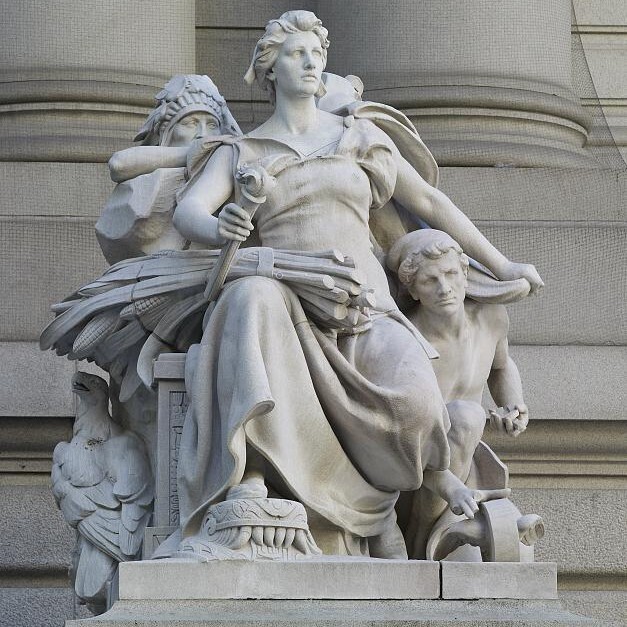
Four statues are situated outside the entrance of the Alexander Hamilton U.S. Custom House in New York City. These sculptures, representing Africa, America, Asia, and Europe, are crafted from Tennessee marble and depict women holding instruments that symbolize their respective continents. The European figure portrays a mature woman seated on a throne, adorned with a crown. She wears a Greek-style gown and a breastplate, with the throne featuring imagery of the Parthenon, and her hand resting on a ship’s prow. Behind her, the throne’s back right displays three prows forming the heads of a lion, an eagle, and a bear. The woman's left arm rests on an open book placed on a globe. Behind her stands another hooded figure, an elderly woman symbolizing History, holding a skull and a scroll. The Asian figure is depicted as a tranquil woman, with eyes closed, dressed in robes suggesting Buddhist faith. A small Buddha statue sits in her lap, and she holds a lotus flower entwined with snakes. She sits on a throne supported by skulls, with a tiger to her right and three figures to her left: a young boy in prayer, a man with hands tied behind his back and bowing forward, and a woman carrying a baby behind the main figure. Additionally, behind the Asian figure, there is a cross symbolizing the birth of Christianity on the continent. The African figure is a nude woman seated on a stone throne, with a lion beneath her left arm, set against Egyptian motifs. To her right is the Great Sphinx of Giza, with a hooded figure behind her. The American figure is a young woman holding a torch of liberty in her hand. Progress is symbolized by a kneeling man under America's robe. Corn stocks sit on her lap as she rises from an Aztec carved throne. An eagle and cacti are positioned on her right, and a Native American man stands behind her, observing her embodiment of progress.
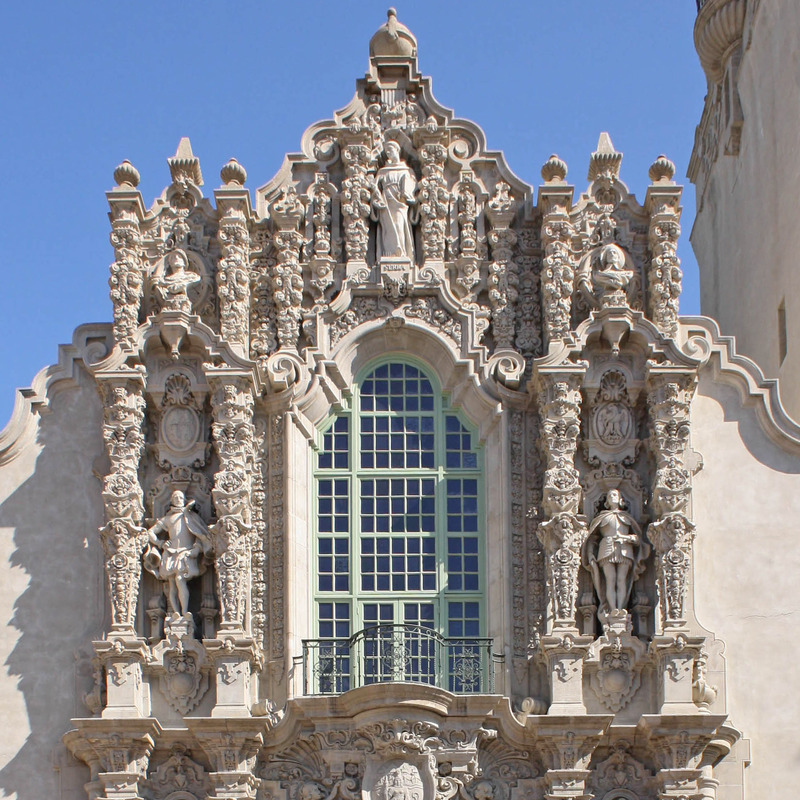
The frontispiece on the southern façade of the California Building in San Diego, California, was created for the 1915 Panama-California Exposition. The façade is a complex concrete wall featuring an array of architectural figures, statues, and coats of arms, all embedded in molds fashioned by the Piccirilli brothers. These brothers were primarily responsible for the sculptures and busts depicting figures such as Father Junipero Serra, Philip III of Spain, Sebastian Vizcaino, George Vancouver, Father Luis Jayme, Charles V of Spain, Juan Rodriguez Cabrillo, Gaspar de Portola, Father Antonio de la Ascension, as well as the coats of arms of Mexico and California. The style mixes designs found in Spanish and Mexican churches and creating an iconic visage for San Diego.
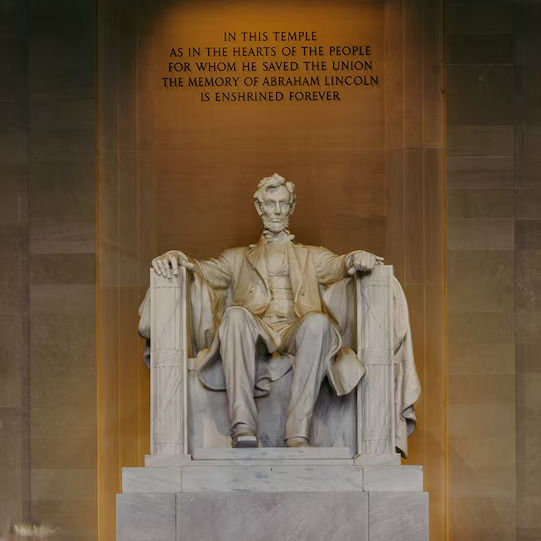
The colossal figure, carved from Georgia marble, took over four years to complete. It depicts Lincoln seated in a large chair, and even in that pose, the figure is around 19 feet tall. The pedestal is of Tennessee marble, on which Lincoln's arms rest atop Roman fasces. Behind the seated Lincoln the wall is inscribed with "In This Temple as in the Hearts of the People for Whom He Saved the Union the Memory of Abraham Lincoln is Enshrined Forever."
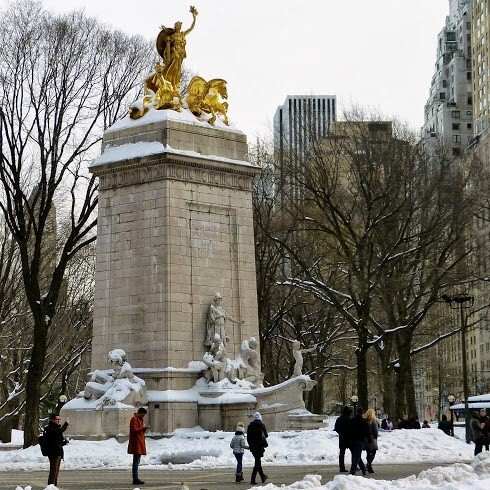
Atop a 40-foot pillar of Tennessee marble and a granite base stands a metal sculpture of Columbia, the female personification of the U.S., with a seashell chariot being led by three hippocampi. That sculpture is menat to be made of cannons from the USS Maine. Surrounding the base of the monument is a fountain. Surrounding the pillar are statues dedicated to the Pacific and Atlantic oceans. The Atlantic is personified as a young man sitting while the Pacific is an older man laying down. In front of the pillar is a group of sculpted people called "The Antebellum State of Mind: Courage Awaiting the Flight of Peace, and Fortitude Supporting the Feeble." The sculptures stand on a marble boat helm and include one of a young boy holding a wreath in the foreground, Lady Justice in the background, arms outstretched. At her feet is a mother holding her child and a muscular man. The back of the pillar has a sculpture group titled "The Post Bellum Idea: Justice Receiving Back the Sword Entrusted to War." Here, Lady Justice stands again with arms outstretched to two male figures at her feet. Inscribed in the front are the words "To the Valiant Seamen who Perished in the Maine by Fate Unwarned in Death Unafraid - MDCCCXCVIII (1898) MCMXII (1912). The back has two inscriptions. One says "To the Freeman who Died in the War with Spain that Others Might be Free - MDCCCXCVIII (1898) MCMXII (1912)." The other says, "Erected through public subscription by the National Maine Monument Committee: James Grant Wilson, Chairman; William R. Hearst; George F. Shrady; John W. Keller; and J. Edward Simmons."
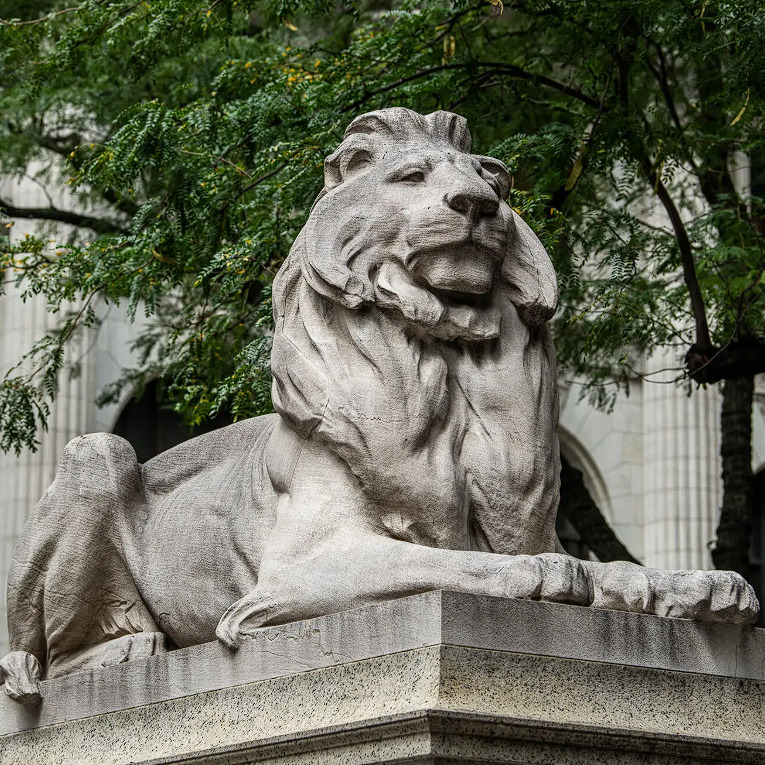
These male lions, known today as Patience and Fortitude, were made of Tennessee marble. They sit at either side of the library's steps and are images often referenced for the library in its logo and other materials. The lions lay on stone plinths guarding the library.
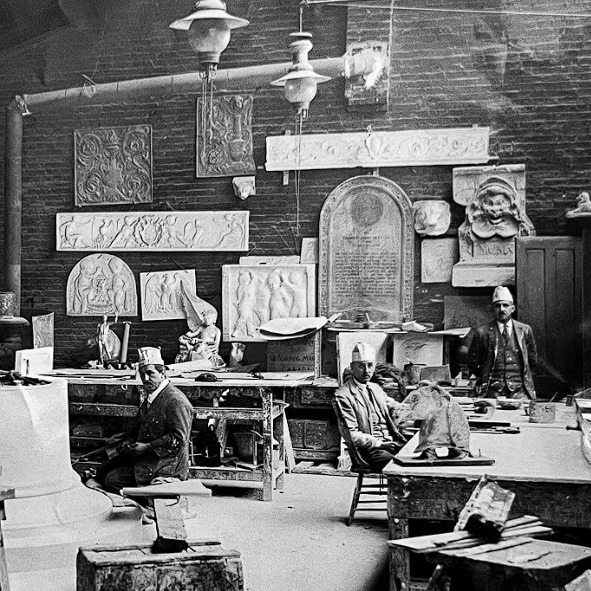
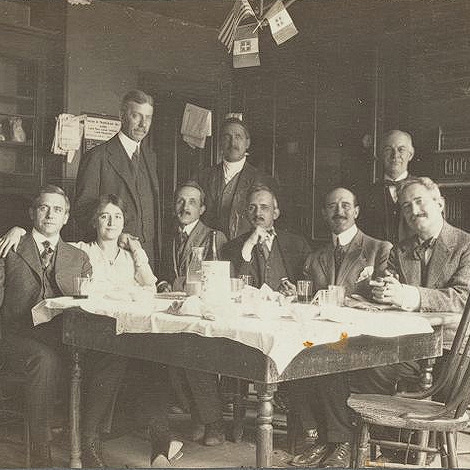
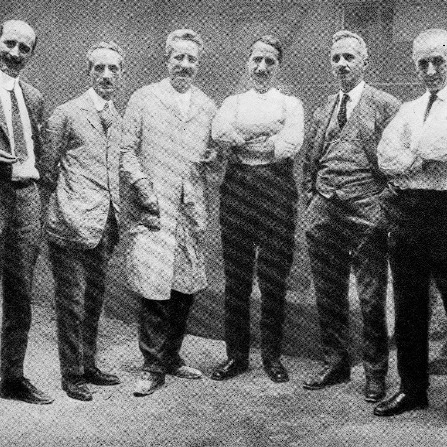
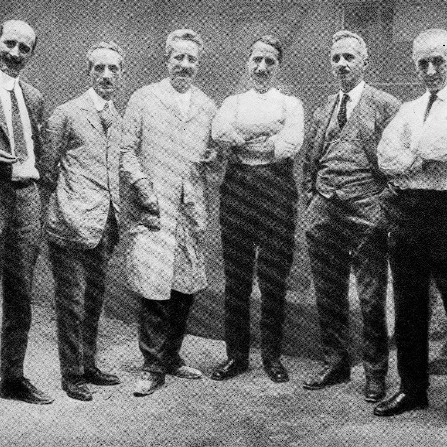
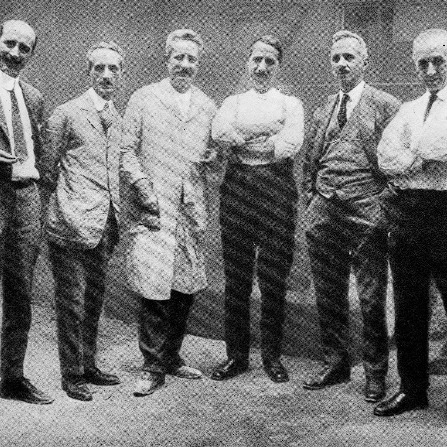
The streets and buildings of New York, and indeed much of the U.S., are decorated with the carvings of the Piccirilli brothers and thier father. Moving to the U.S. in 1888, the family opened a studio complex shortly after in the 1890s. Some of the most important buildings in New York hold work by the brothers, including the New York Stock Exchange and the New York Public Library. They are also famous for their work on the Lincoln Memorial in D.C. Famous architect and artist Daniel Chester French was well known for hiring the brothers to carve many of his famous designs.
Moved with his family in 1888 from Massa, Italy to New York, where the family is recognized as the sculptors of some of the most significant marble sculptures in the U.S. His sons are Attilio, Ferrucio, Furio, Getulio (Giulio), Masaniello, and Orazio and they were trained in marble cutting and carving as well.
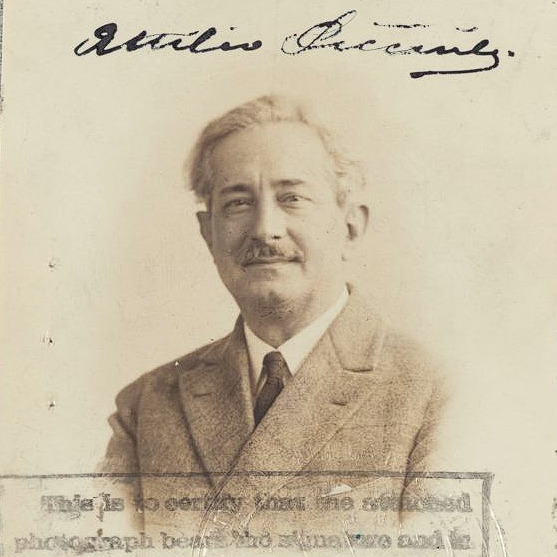
The most well-known Piccirilli brother. One of the two brothers who are known to have trained in Rome. Compared to the others, Attilio is credited with more solo works than the other brothers and worked on different projects around the U.S.
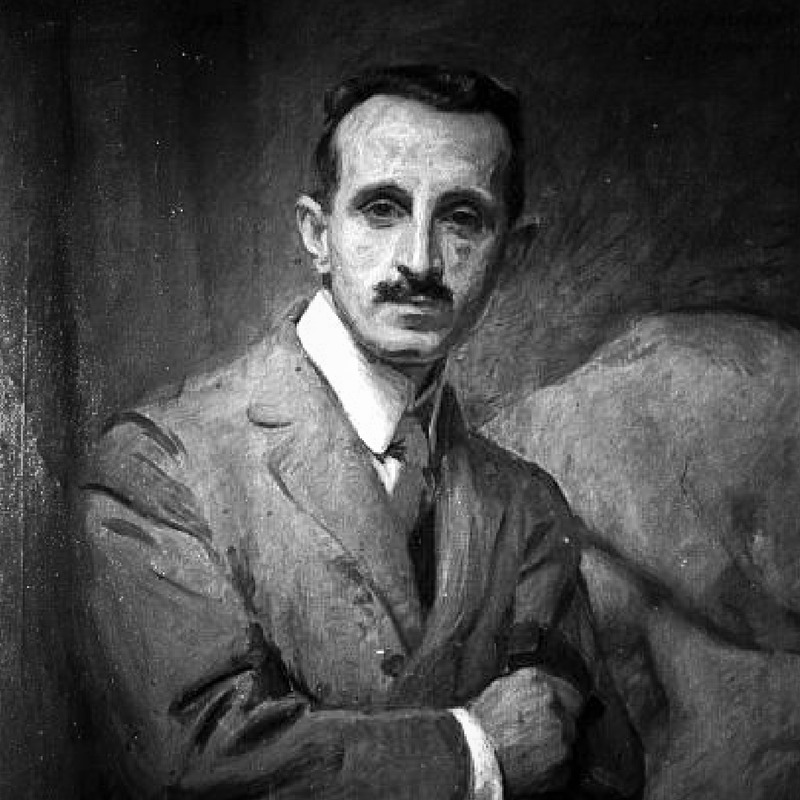
Considered the most creative of the brothers, Furio is one of the few brothers who returned to Italy and died there. Furio is also one of the two brothers who are known to have trained in Rome.
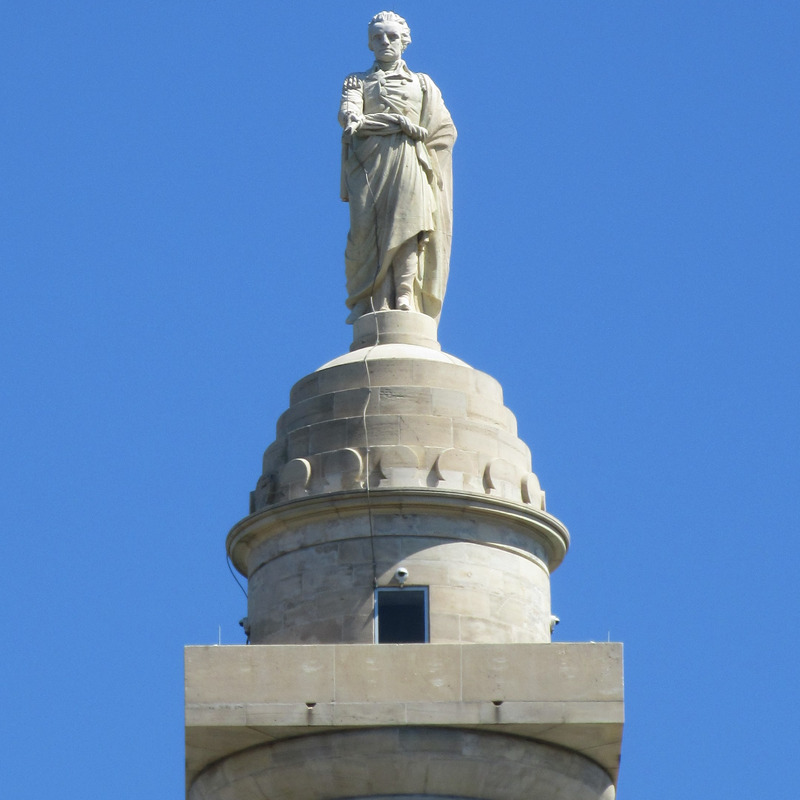
Sitting atop Robert Mill's Doric column, the figure of George Washington stands over 14 feet tall. Made of marble, Washington wears a classical Roman toga while handing his commission as Commander-in-Chief.
A possible pupil of Antonio Canova, Causici was contracted for work at the US Capitol but was unable to complete all the work he set out to do. He did complete the plaster of the Liberty of the Statuary Hall and two relief panels called "The Landing of the Pilgrims" and "Conflict Between Daniel Boone and the Indians." Causici claimed to have made the first bronze bust in the US, but there is no evidence to support this claim. Causici submitted the most attractive bid to build the Washington Monument in Baltimore, beating out artists like Antonio Capellano and Luigi Persico. It is believed he died of Cholera in Havana, Cuba.
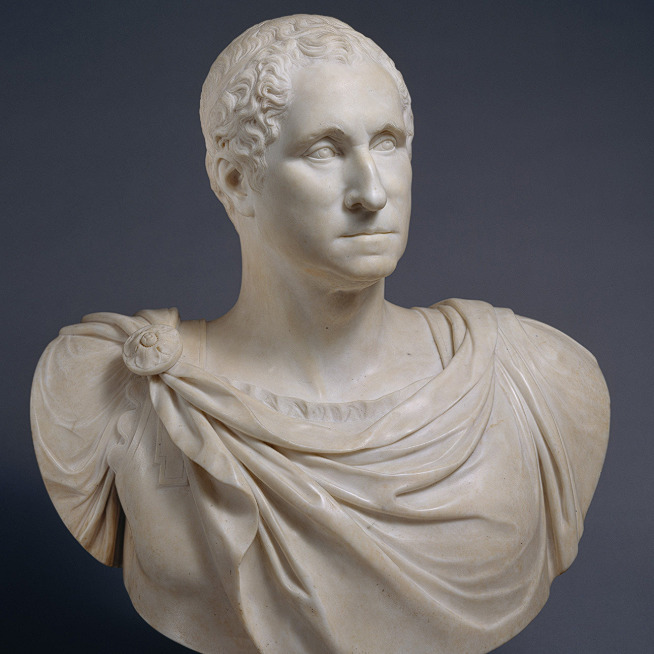
Washington's bust is crafted from Carrara marble and portrays George Washington adorned in a classical Roman toga, with short wavy hair. The sculpture bears resemblance to images of Caesar, yet the facial features are a widely recognized representation of Washington. Initially, the bust created by Ceracchi was crafted from terracotta in 1791, but he completed the marble version in 1794, with modifications made during a sitting with Washington in 1795.
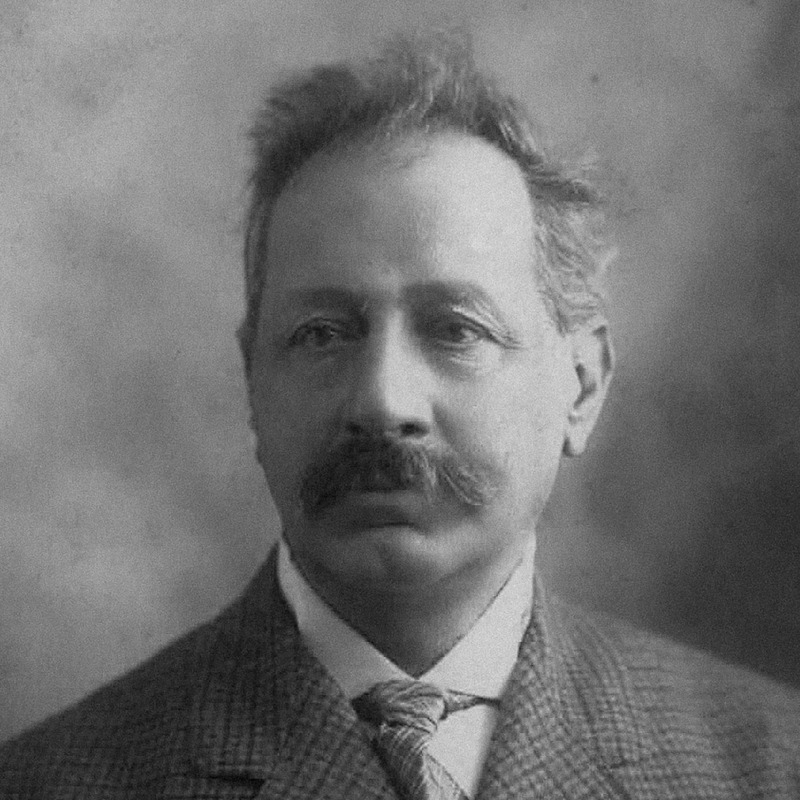
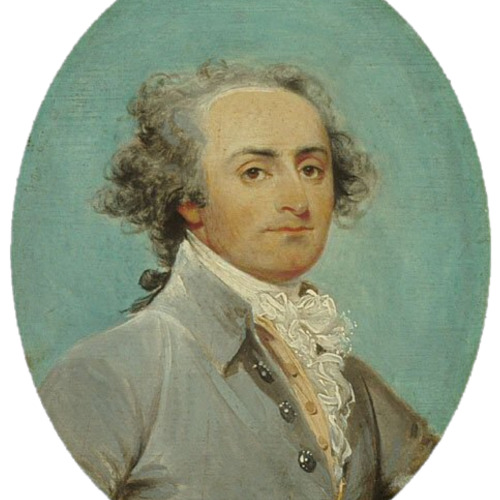
It is commonly rumored that Giuseppe "Joseph" Céracchi was born on the Island of Corsica; however, it is more likely he was born in Rome. He studied the Roman Neoclassical style at the Accademia di San Luca in Rome, where he was a student alongside Antonio Canova. Céracchi was a steadfast supporter of the revolutions in the United States and France. He arrived in the United States in 1791, with the intention of obtaining a commission for a monument depicting "American Liberty." While awaiting approval for the monument, Céracchi crafted several busts of American political figures. He did not secure the commission for his Liberty monument. Although he returned to America on several occasions thereafter, the political busts remain the most enduring aspect of his work in America. Later in life, Céracchi was convicted of conspiring to assassinate Napoleon Bonaparte in 1800, and he was subsequently executed by guillotine in 1801. Some sources have his execution date in 1802.
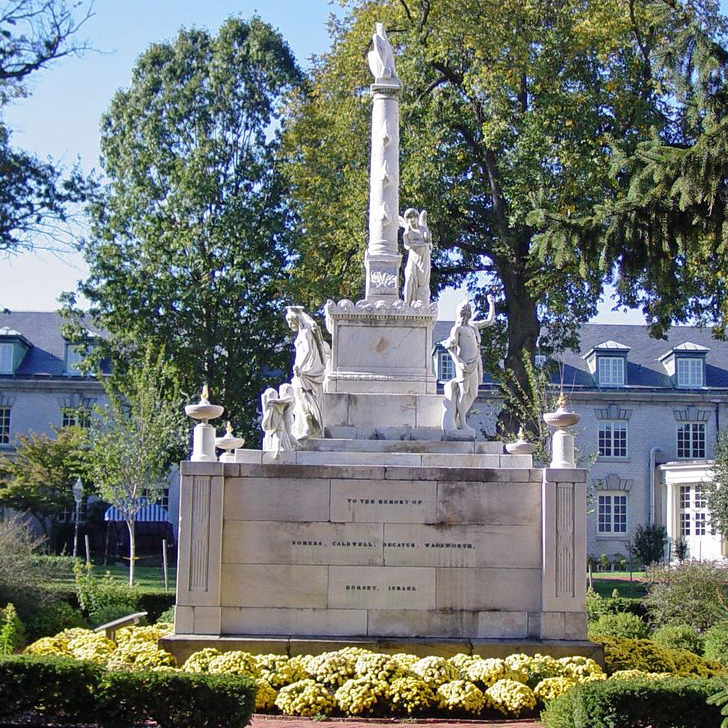
The Tripoli monument features a thirty-foot-high Carrara marble rostral column, characterized by a column with ships sailing through it, topped by an eagle. The sandstone base supports four figures: America, History, Commerce, and Victory. A Native American woman symbolizes America with two children by her side; History is depicted by a woman seated and writing in a book. Victory is represented as a classical winged figure positioned atop the base, holding a laurel wreath and a bronze palm branch. Commerce is portrayed by a male figure who points to the column with his right hand and holds a caduceus in his left. All four sides of the base are engraved. The small base on the north side has the artists signature, "Giov. Charles Micali Invento / In Livorno 1806." The west says "The Love of Glory Inspired Them / Fame Has Crowned Their Deeds / History Records the Event / The Children of Columbia Admire / And Commerce Laments Their Fall." The east is inscribed "As a Small Tribute of Respect to Their Memory / And of Admiration of Their Valour / So Worthy of Imitation / Their Brother Officers / Have Erected This Monument." The south side says "Erected in the Memory of Captain / Richard Somers, Lieutenant / James Caldwell, James Decatur, / Henry Wadsworth, Joseph Israel, / And John Dorsey Who Fell in the Different / Attacks that Were Made on the City of Tripoli / In the Year of our Lord 1804 / And in the 28 Year of The Independence / Of the United States." The larger base has the same inscription on all four sides, "To The Memory of / Somers, Caldwell, Decatur, Wadsworth, / Dorsey, Israel."
Giovanni Carlo "Charles" Micali worked with the Monumenti Sepolcrali della Toscana, which may be an association of Tuscany's funerary monument makers. It is unclear if his services were used in the building of the Capitol, but he was brought in to create the first monument in Washington D.C.
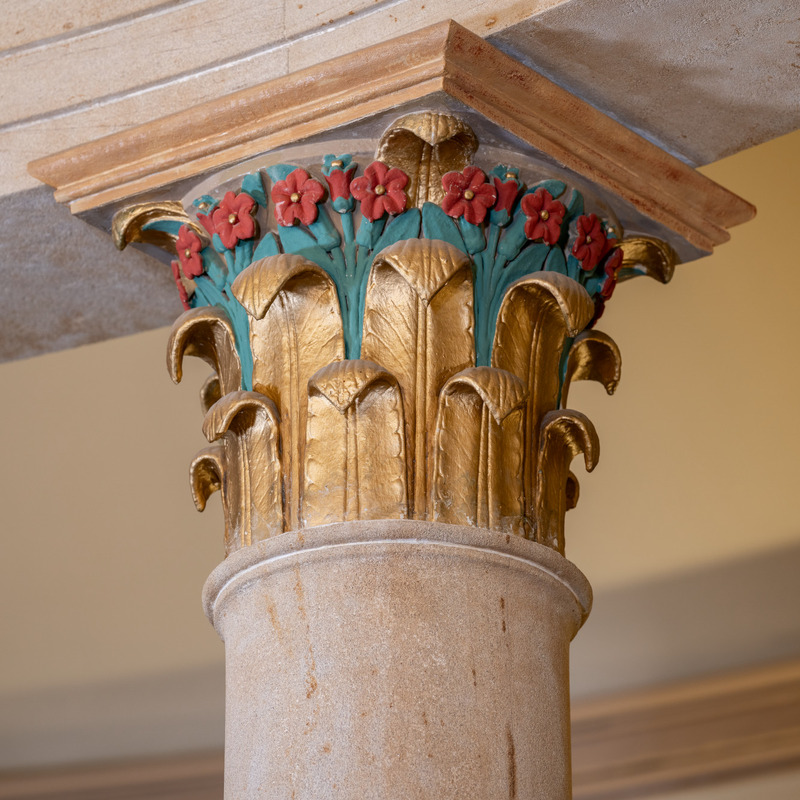
Within the Small Senate Rotunda, a spacious circular chamber crowned by a dome, there exists a configuration of sixteen columns adorned with capitals. These capitals are intricately modeled to imitate the leaves and flowers of the tobacco plant. Carved from sandstone, they are painted with leaves gilded in gold and flowers depicted in red with green stems.