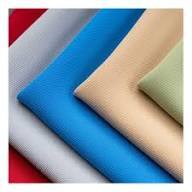
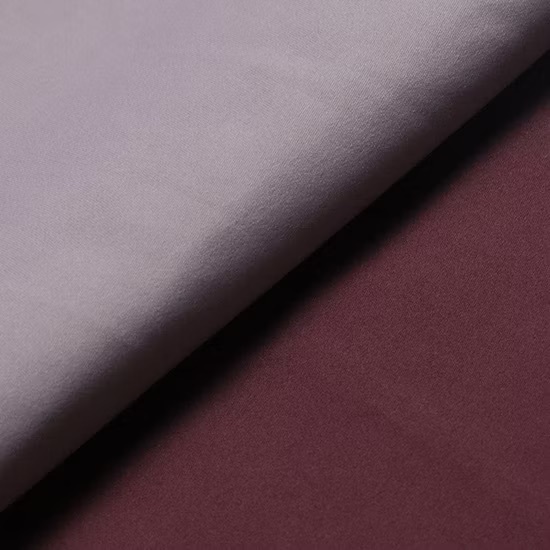
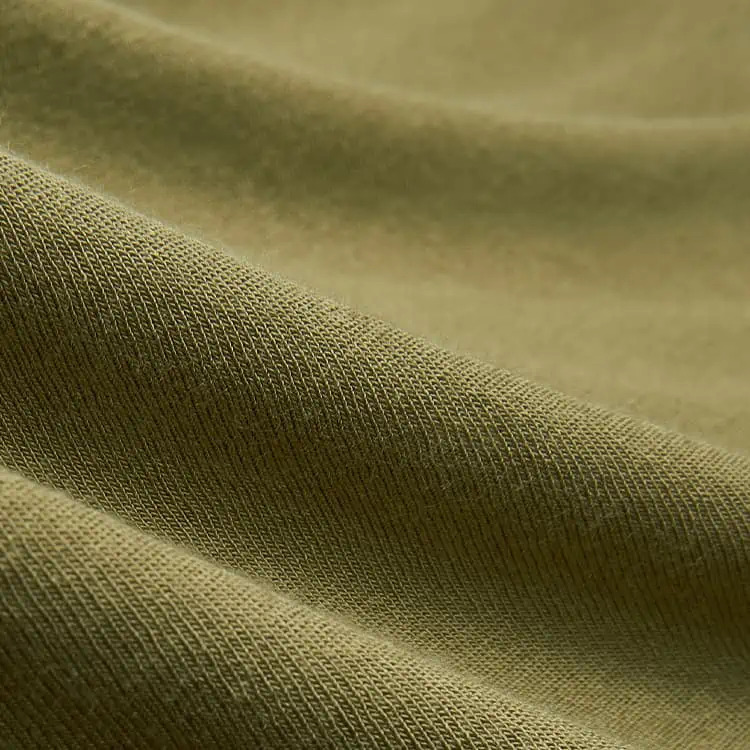
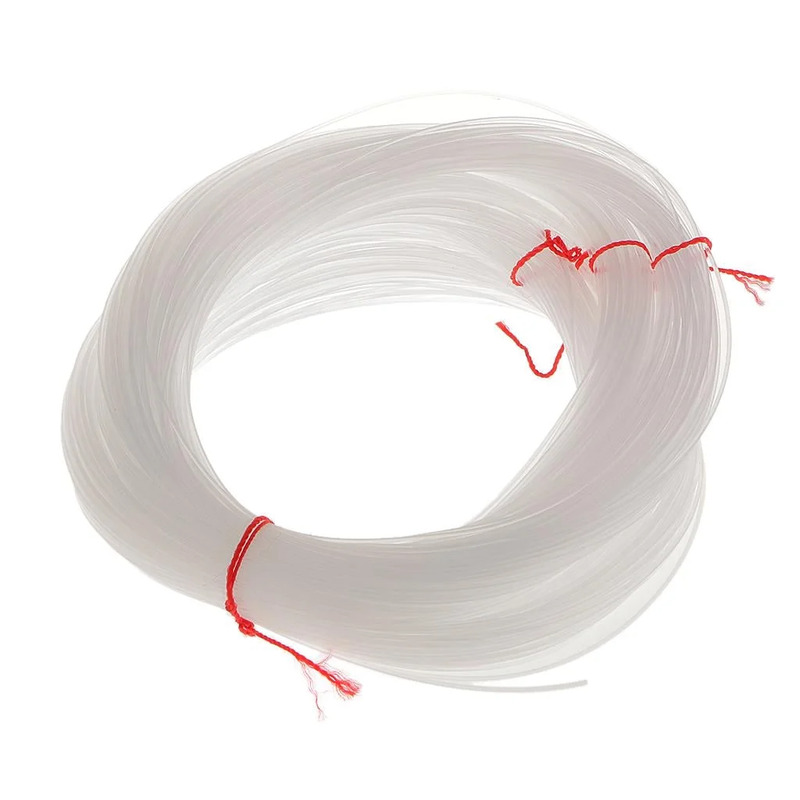
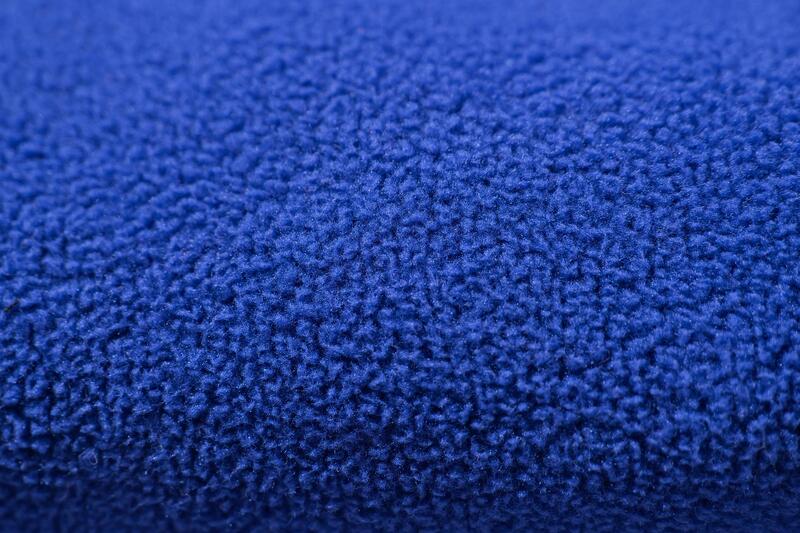
Modacrylic is a synthetic copolymer fiber developed in the mid-20th century as a modified form of acrylic. It is composed primarily of acrylonitrile units combined with other monomers, such as vinyl chloride or vinylidene chloride, which give the fiber enhanced properties. Modacrylic fibers are typically produced through solution spinning. They are known for their softness, resilience, and flame resistance, as well as their ability to retain shape and resist wrinkling. Because of these characteristics, modacrylic is commonly used in faux fur, wigs, pile fabrics, and protective clothing. In archival collections, modacrylic textiles may exhibit sensitivity to heat and can degrade through discoloration or loss of structural integrity over time. Like other synthetic fibers, it is petroleum-based and not biodegradable.
Spandex is a synthetic fiber known for its exceptional elasticity. It is made from a polyurethane polymer and is typically produced through a dry-spinning manufacturing process. Spandex fibers can stretch several times their original length and return to their original shape, making them ideal for garments that require flexibility and form-fitting properties. The fiber was introduced in the late 1950s and quickly became popular in sportswear, swimwear, and stretch fabrics. Spandex is rarely used alone and is often blended with other fibers such as cotton or polyester to provide stretch. Environmental concerns include its petroleum origin and limited recyclability.
Acrylic fiber is a synthetic fiber made primarily from the polymer polyacrylonitrile. The fibers are produced through wet or dry spinning processes in which the polymer is dissolved and extruded into a chemical bath or warm air to form filaments. Acrylic fibers are lightweight, soft, and warm, often used as a substitute for wool. They have good resistance to sunlight and chemicals and retain color well when dyed. Acrylic became widely used in clothing and household textiles during the mid-twentieth century. While the fiber is durable and inexpensive to produce, it is petroleum-derived and contributes to environmental concerns such as microplastic shedding.
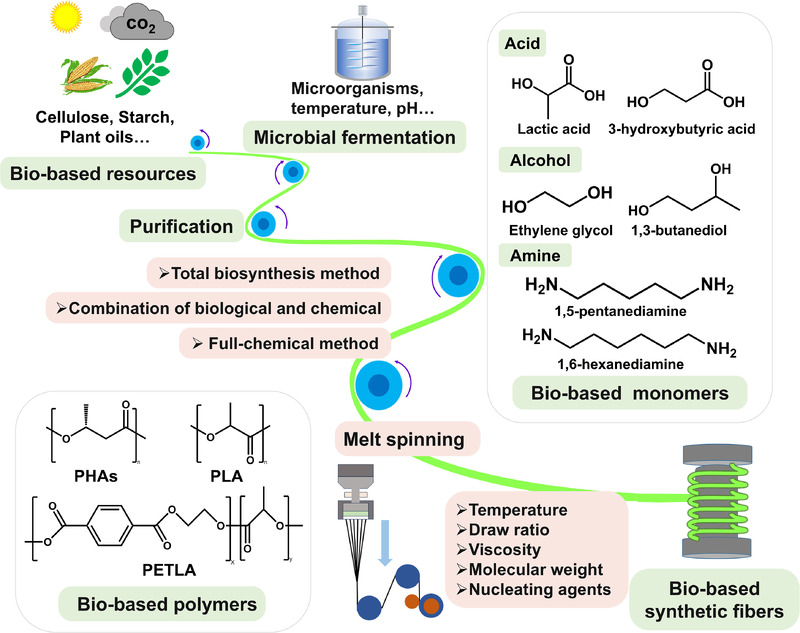
Nylon is a synthetic polyamide fiber first developed in the 1930s. It is produced by polymerizing monomers such as hexamethylenediamine and adipic acid, which are then melted and spun into fibers through a process called melt spinning. Nylon was the first commercially successful synthetic fiber and was originally used as a replacement for silk in products such as stockings and parachutes. The fiber is valued for its strength, elasticity, abrasion resistance, and lightweight properties. Nylon is widely used in clothing, carpets, ropes, and industrial textiles. Because nylon is petroleum-based and not biodegradable, environmental concerns include long-term persistence and microplastic pollution.
Polyester is a synthetic fiber made from the polymer polyethylene terephthalate (PET). It is produced through a melt-spinning process in which molten polymer is extruded through spinnerets to form fibers. Polyester is known for its strength, durability, and resistance to wrinkles and shrinking. The fiber became widely used in clothing and home furnishings during the mid-twentieth century and remains one of the most widely produced synthetic fibers in the world. Polyester fibers absorb little moisture, dry quickly, and maintain their shape well. Environmental concerns include the fiber’s petroleum origin and its contribution to microplastic pollution, although recycled polyester made from plastic bottles is increasingly common.
"What did the American people and the US government know about the threats posed by Nazi Germany? What could have been done to stop the rise of Nazism in Germany and its assault on Europe's Jews? Americans and the Holocaust explores these enduring questions by gathering together more than one hundred primary sources that reveal how Americans debated their responsibility to respond to Nazism. Drawing on groundbreaking research conducted for the United States Holocaust Memorial Museum's Americans and the Holocaust exhibition, these carefully chosen sources help readers understand how Americans' responses to Nazism were shaped by the challenging circumstances in the United States during the 1920s, 1930s, and 1940s, including profound economic crisis, fear of communism, pervasive antisemitism and racism, and widespread isolationism. Collecting newspaper and magazine articles, popular culture materials, and government records, Americans and the Holocaust is a valuable resource for students and historians seeking to shed light on this dark era in world history. To explore further, visit the United States Holocaust Memorial Museum's digital exhibit, available here: https://exhibitions.ushmm.org/americans-and-the-holocaust"--
"Nearly thirty years ago, Monika Vrzgulovâa took part in the very first oral history research project aimed at Holocaust survivors in Slovakia. That project transformed her professional as well as her personal life. The Holocaust as a scholarly subject and the oral history method have stayed with her to this day. This book summarizes her findings and the experience she has acquired researching Holocaust memory, combining memory studies, oral history, autoethnography, and reflexive writing methods. It presents data from two international research projects which took part in Slovakia too and are available to experts and the public online. The insights gained from this research are contextualised with the social situation in a country that is trying to come to terms with its past after the fall of Communism." --