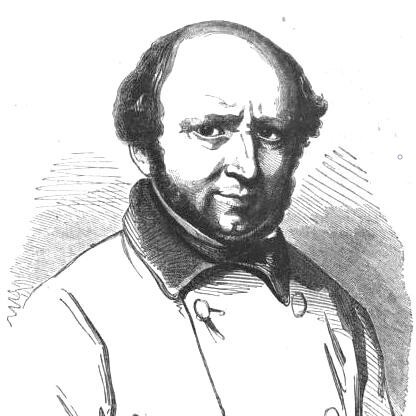
E. Luigi Persico studied at the Accademia di Belle Arti di Napoli. Not much of his career took place in Italy, but he became a staple in the monument features of the American Capitol. Moving to the U.S. in 1815, he should have been set to help build up the Capitol after its destruction in 1814 after the British Burning of Washington. However, he spent the first years of his career in America in the cities of Baltimore and Lancaster.
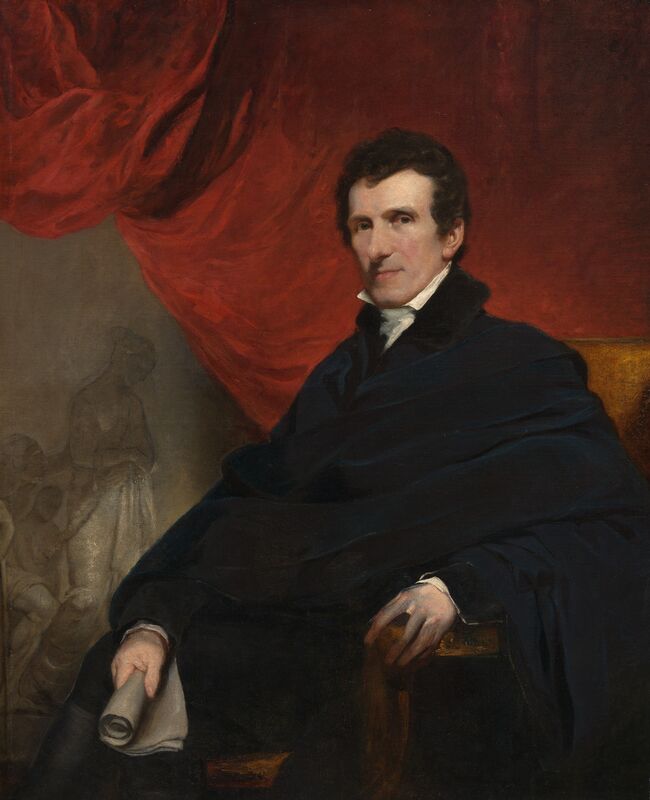
Antonio Canova, an apprentice of Giuseppe Bernardi and Giovanni Ferrari in Venice, pursued his studies in sculpture in Rome after 1780. Even at an early age, Canova's exceptional skill as a sculptor was widely acknowledged, and he received his first marble commission in 1779. Many regard Canova as one of the most acclaimed artists in Europe during the late 18th and early 19th centuries. In 1814, Canova designed the Tempio Canoviano to resemble a fusion of the Parthenon and the Pantheon. Although he passed away before its completion, his body was interred within the structure. His heart and hand were subsequently enshrined separately, in Venice.
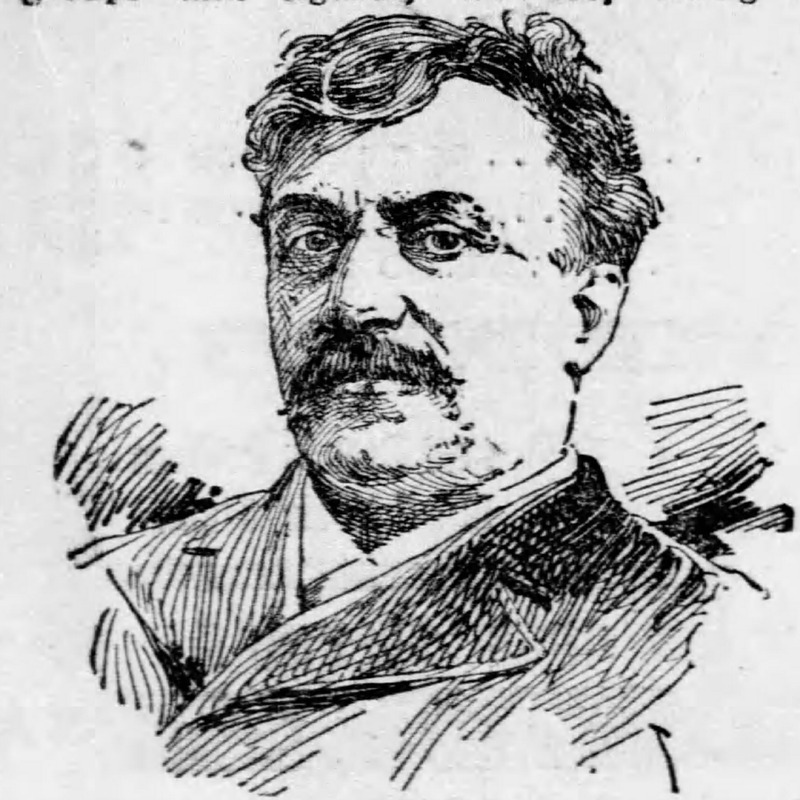
Gaetano Russo was awarded a grant to travel to Rome in 1870, where he studied under Girolamo Masini at the Accademia Reale dei Belli Arti and subsequently with Giulio Monteverde. A significant portion of his early works are located in Messina. It is believed that he perished in a major earthquake in 1908, as there are no further records of his life.